
Being eco-friendly is now more popular than ever. However, there are several recycling facts and mistakes that people are making every day. This article explores seven key areas where you can recycle more efficiently, particularly focusing on metals and materials that hold real value.
More and more people are aware of their environmental impact and aim to reduce their carbon footprint. Even though recycling rates are rising, so is the planet’s population, which leads to more natural resources being used and more waste created.
1) PET Plastics and Hard-to-Recycle Items
Plastics are separated into seven groups according to their resin content. Most bottles are made from PET 1 and 2 resin plastics, which are strong and resistant to moisture. PET 6 and 7 are low-grade plastics that can disrupt local recycling centres, so it’s important to understand which numbers you can recycle. You can read more about the future of plastic recycling on our blog.
For hard-to-recycle items, TerraCycle is a company that recycles items not typically accepted. Low-grade PET 7 plastics may find a new home at one of TerraCycle’s drop-off points across the country.
2) Phone Cables and Wires: A Source of Valuable Metals
Your broken phone charging cables and wires contain the precious metal copper and shouldn’t be thrown in general waste. Copper is the third most used metal worldwide and possesses excellent conductive properties, with around 65% used for electrical applications.
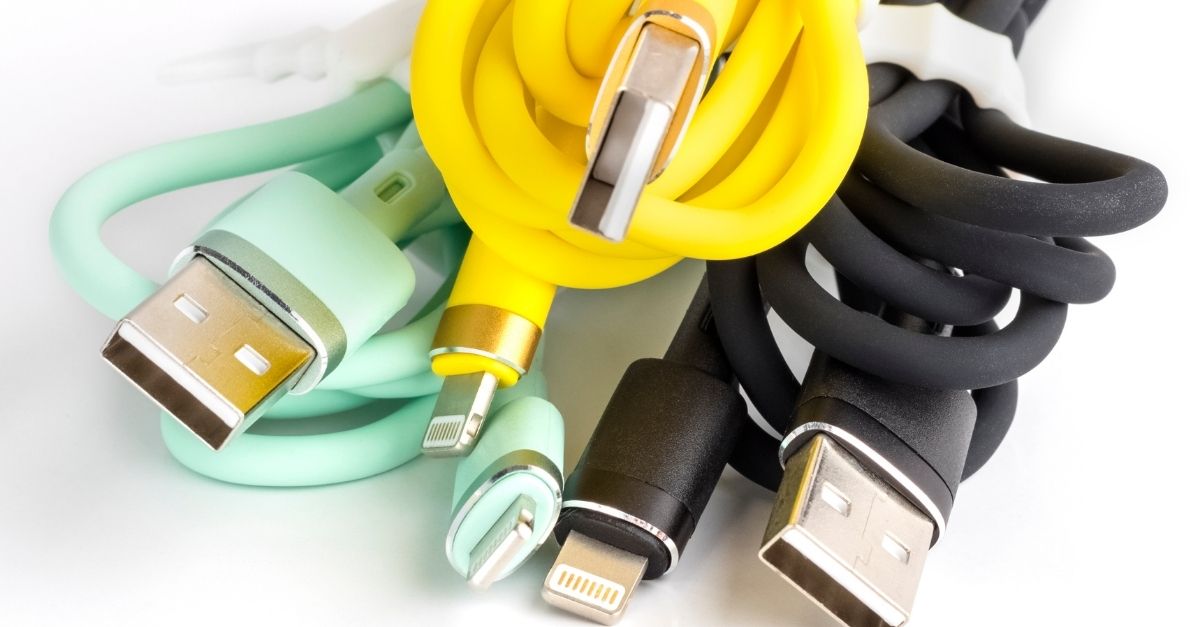
Global demand for copper has skyrocketed by 250% since 1960. Recycled copper is found in roofing, cladding, trains, cookware and musical instruments. Recycling copper saves up to 85% of energy compared to creating it from scratch and reduces CO2 emissions by around 65%.
Since there’s no easy kerbside recycling point for cables and wires, contact a specialist like Morecambe Metals to handle valuable copper scrap professionally.
3) Your Computer: Electronics Full of Valuable Metals
Your computer contains precious components and metals that should be disposed of safely at a trusted recycling location, particularly because you may have sensitive information on it.
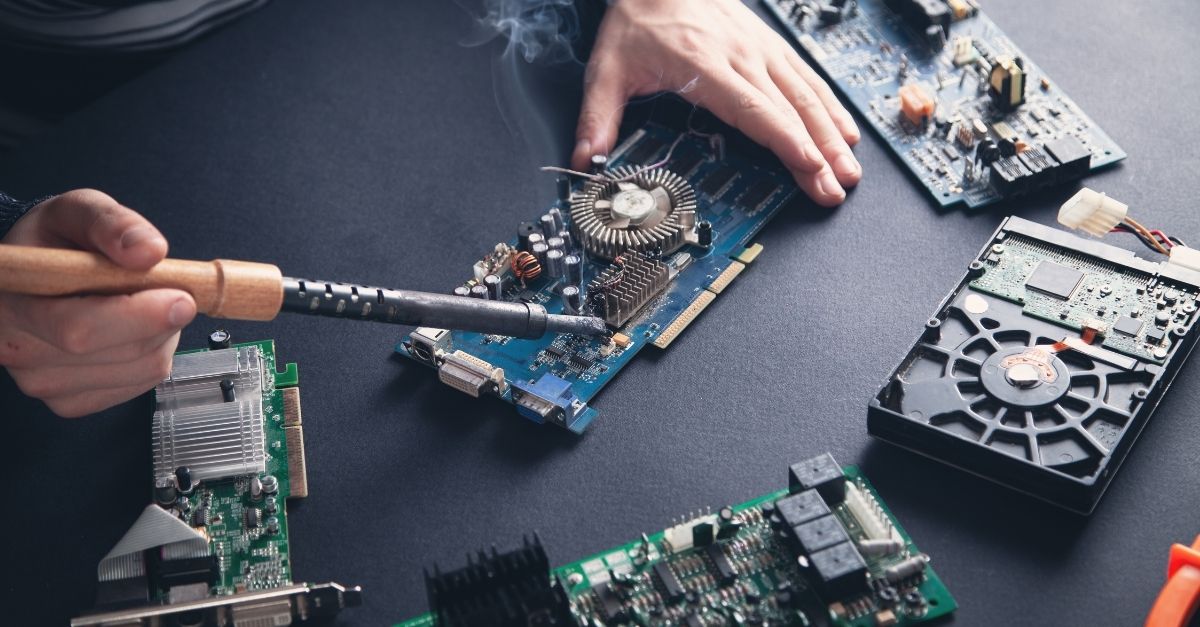
Modern computers contain copper wiring, aluminium components, steel frames, and precious metals like gold and silver in circuit boards. A single tonne of computer scrap can contain more gold than a tonne of gold ore, making it a valuable resource worth recycling properly.
4) Your Car: A Treasure Trove of Recyclable Metals
When your car is too old to sell, recycling it with an ethical company ensures precious materials are used efficiently.
Steel is the most recycled metal in the world. Steel products have a lifespan of 35 to 40 years before being scrapped. The UK produces around 10 million tonnes of scrap a year, with about 80% exported to countries like Turkey and China. The UK produces approximately 7 million tonnes of steel annually, less than half of current demand. Investing in recycling could make the nation self-sufficient in steel.
Around 25% of steel used in new cars is recycled steel. Cars also contain around 10kg of zinc, the fourth most commonly used metal worldwide. Recycling steel cuts CO2 emissions by 80% compared to manufacturing from raw materials and decreases water consumption and pollution by 40% and 76% respectively.
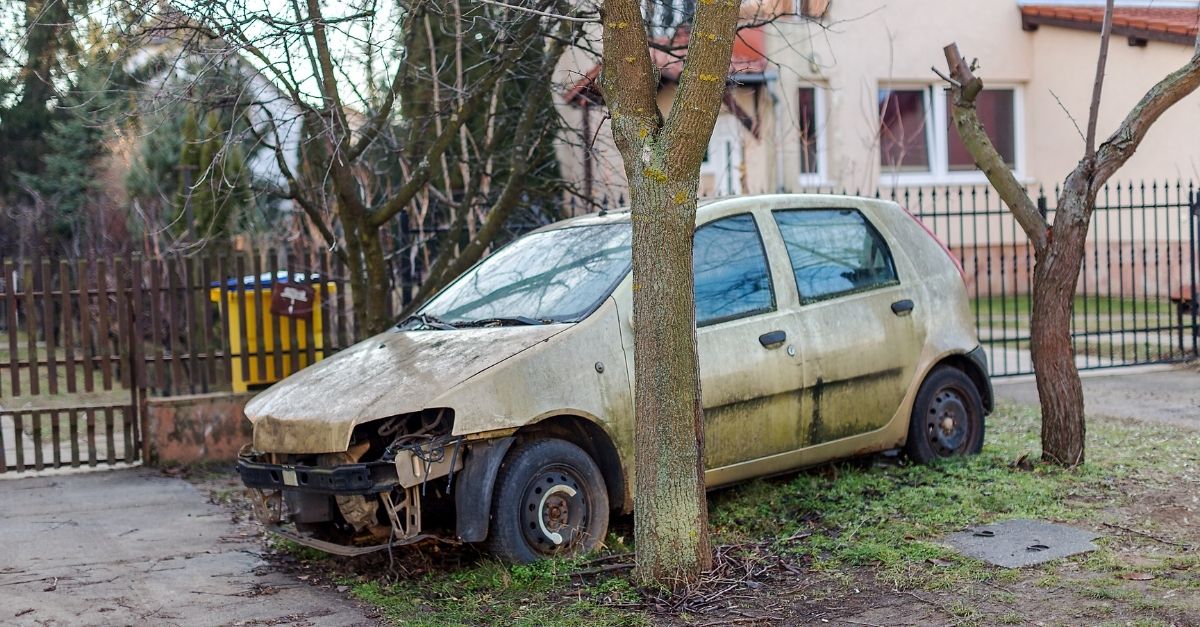
Learn more about vehicle recycling or how you can help the environment by recycling your unwanted vehicles.
5) Mattresses
When upgrading your mattress, check if the supplier offers recycling, many do. This relieves the stress of disposing of such a large item responsibly. Ensure these bulky items are taken to a local skip or even listed on a marketplace so it can be resused.
6) Aluminium: Endlessly Recyclable
Aluminium is incredibly valuable and abundant. It’s the third most abundant element in the earth’s crust and the second most used metal worldwide. A staggering 75% of all aluminium ever made is still in use. It’s essential for industries ranging from aerospace to food and drinks, 90% of all drinks cans sold in the UK are made from aluminium.
Aluminium can be recycled endlessly without losing quality. Recycling just 1kg saves 8kg of bauxite, 4kg of chemical products and 14 kW of electricity. One tonne of recycled aluminium saves 9 tonnes of CO2 emissions and 4 tonnes of bauxite. Manufacturing one new aluminium can requires the same energy as recycling 20 cans.
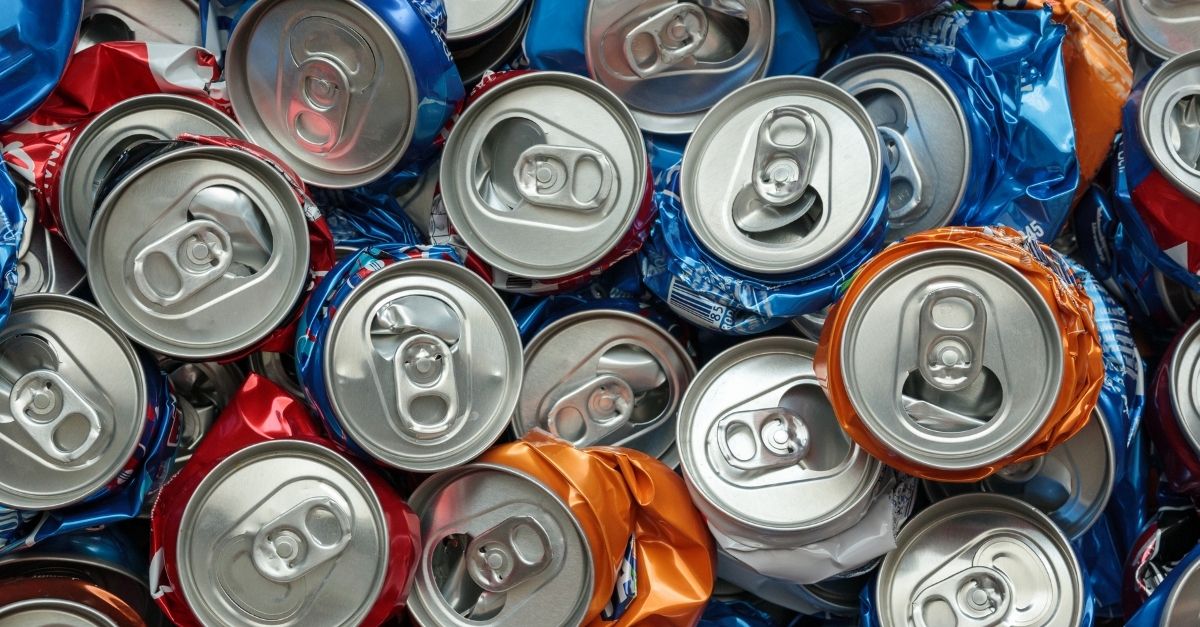
The UK recycles over 2.5 billion cans annually, equivalent to saving 125,000 tonnes of solid waste. With 24 million tonnes of aluminium produced yearly, recycling this metal is crucial for reducing our carbon footprint.
7) Zinc: A Widely-Used Metal Worth Recycling
Zinc is widely used but often overlooked. It’s easily recycled and frequently alloyed with materials like brass and bronze. As the fourth most commonly used metal, zinc appears in batteries, paints, vehicles and protective coatings.
Over 90% of global zinc production comes from blended ores containing lead and copper. Extracting zinc requires up to 76% more energy than recycling it. Almost 70% of zinc in end-of-life products is already recycled, a great figure worth improving further.
The Bigger Picture
The metal recycling industry in the UK saves vast amounts of energy; around 10 million tonnes of scrap metal is recycled annually. An aluminium tin can return to supermarket shelves in just six weeks.
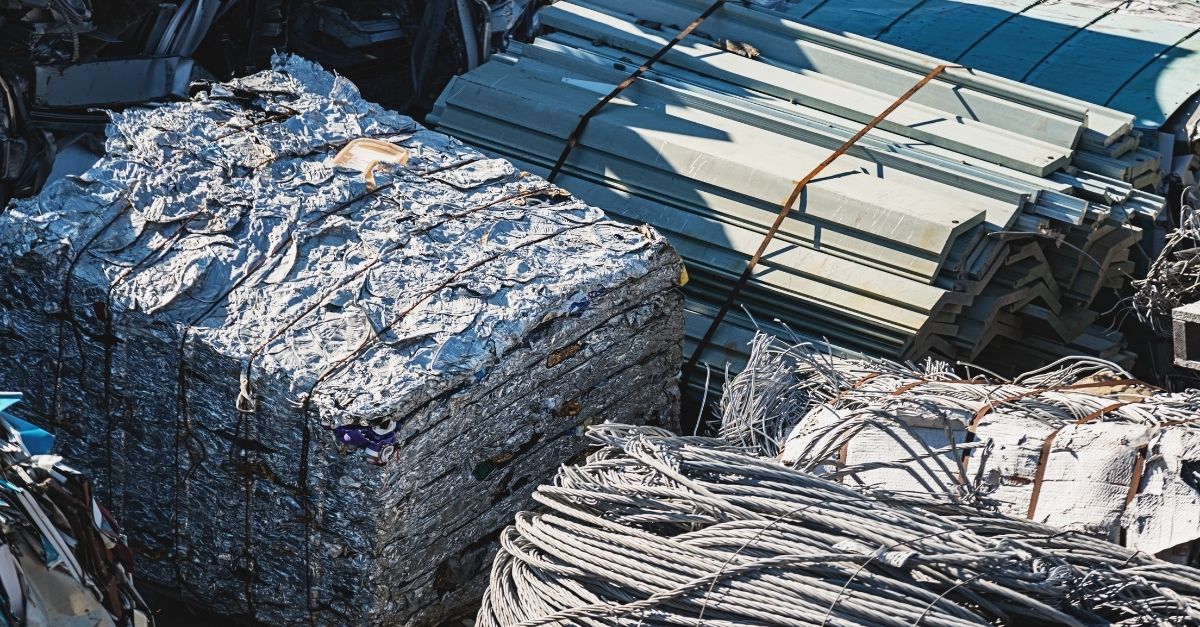
Recycling metals is the most economic and environmentally friendly system, saving mineral deposits and reducing harmful emissions. The UK well exceeds its metal packaging waste recycling target, achieving 68.7% against a 50% target.
The scrap metal industry is worth billions. People have recognised the importance of recycling and are taking advantage of the financial incentive.
Taking Action
At Morecambe Metals, we specialise in scrap metal recycling. Contact us to discuss your metal recycling needs, whether scrap metal collection, end-of-life vehicles or industrial dismantling. We ensure your materials are recycled responsibly and efficiently. Get in touch for more information about our metal recycling services.