
Choosing a scrap metal recycler isn’t just about who can collect the quickest. It’s about knowing your materials are handled properly, documented correctly and processed in line with current regulations.
That’s where membership of the British Metals Recycling Association (BMRA) becomes relevant.
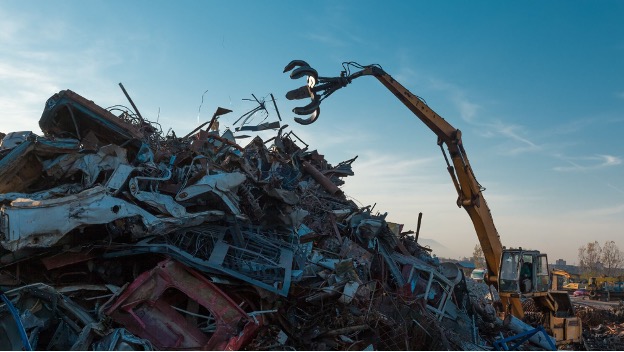
What Is the British Metals Recycling Association?
The British Metals Recycling Association is the main trade body representing the UK’s metal recycling sector.
It supports and represents hundreds of licensed metal recyclers across the country, from independent yards to large-scale processors. The industry itself plays a significant role in the UK economy, contributing billions each year and processing millions of tonnes of metal. This includes both ferrous metals such as steel and iron, and non-ferrous metals like copper, aluminium and brass. Much of this material is returned to UK manufacturing or exported for reuse globally.
The BMRA acts as the link between recyclers, government bodies and regulators. It helps shape policy, provides guidance, and ensures its members operate to recognised standards.
What Does BMRA Membership Actually Mean?
Membership is not automatic. Companies must meet strict criteria before joining and are expected to maintain those standards.
In practical terms, being a BMRA member means:
- Operating as a fully licensed metal recycler in line with UK regulations
- Following industry guidance on environmental responsibility and material handling
- Keeping up to date with changes in legislation and compliance requirements
- Demonstrating consistent, professional standards of operation
It also means being part of an organisation that actively works with government and agencies such as the Environment Agency to keep the industry accountable.
For customers, this gives a better understanding of how materials are handled and where they end up.
Why Does This Matter for Your Business?
If you’re a contractor, manufacturer or tradesperson, waste handling is not just a practical issue, but a compliance responsibility.
Working with a BMRA member gives you confidence in three key areas.
Compliance You Don’t Have to Chase
Waste regulations are strict, and they continue to evolve. Duty of Care requirements mean you are responsible for how your waste is handled, even after it leaves your site.
By working with a BMRA member like Morecambe Metals, you’re dealing with a business that stays aligned with current legislation. Documentation, handling processes and disposal routes are all managed correctly. It means the process is handled correctly from collection through to recycling.
Reliable, Consistent Service
Inconsistent collections, unclear processes or poor communication can slow a job down.
BMRA members are expected to operate to professional standards. In reality, that shows up in simple ways. Collections happen when they should. Containers are suitable for the job. Materials are handled correctly the first time.
It’s not about making big claims. It’s about doing the job properly, every time.
Responsible Recycling
Metal is one of the most recyclable materials available. It can be reused repeatedly without losing quality.
Recycling metal uses significantly less energy than producing new material from raw resources. That has a direct impact on emissions and resource use.
When handled correctly, scrap metal becomes a valuable raw material rather than a waste.
Working with BMRA members helps ensure that material is processed through the right channels and returned to use, rather than being mishandled or lost in mixed waste streams.
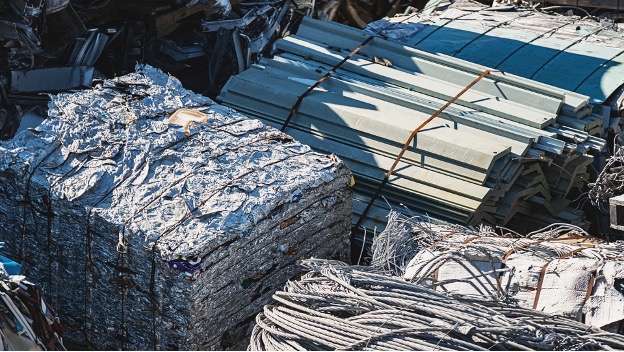
How Does This Link to the Services You Use?
This is where membership starts to show in day-to-day service. At Morecambe Metals, BMRA membership underpins how we approach scrap metal recycling services, collections and site clearances.
It influences:
- How we assess and sort materials
- The containers we recommend for different jobs
- How collections are scheduled and carried out
- The documentation provided with every load
For example, if you’re removing large volumes of pipework, plant equipment or structural metal, we won’t simply offer a generic solution. We’ll look at the type of material, the volume, and the best way to handle it efficiently.
That might involve roll-on roll-off bins, crane assisted collections, or scheduled pick ups depending on the scale of the work.
The aim is always the same, Handle the material properly, minimise disruption on site, and ensure everything is processed as it should be.
What Should You Look for When Choosing a Metal Recycler?
If you’re comparing providers, there are a few key things worth checking:
- Are they a licensed metal recycler?
- Do they provide proper documentation for collections?
- Can they clearly explain how materials are handled?
- Are they aligned with recognised industry bodies like the BMRA?
A licensed, BMRA-affiliated recycler follows structured processes. Materials are tracked, regulations are followed, and environmental responsibilities are taken seriously.
Without that, there’s less visibility and less reassurance about where materials end up or how they’re processed.
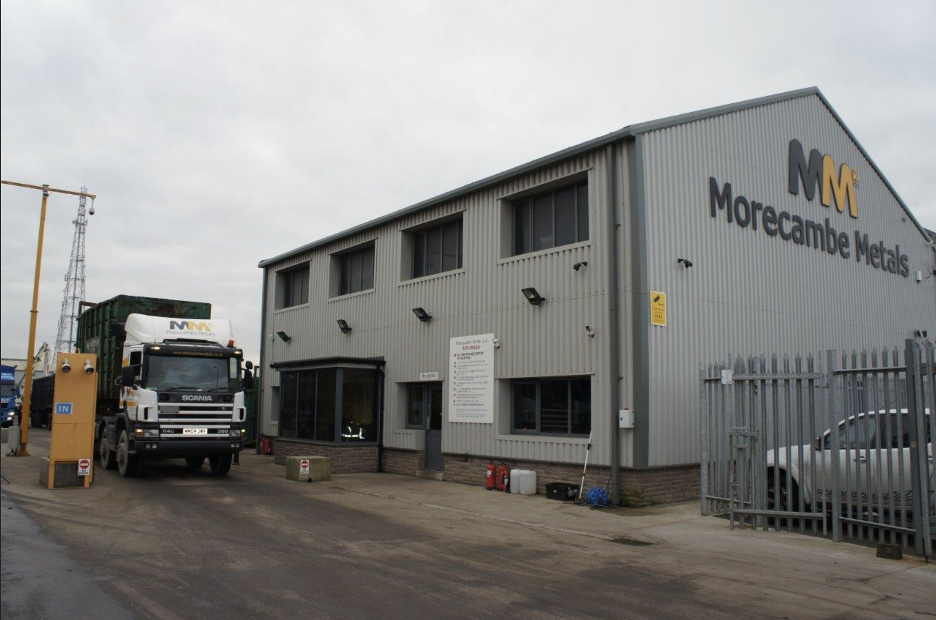
Speak to Morecambe Metals
If you need a reliable, compliant approach to manage scrap metal, we can help you plan the right approach from the start.
At Morecambe Metals, we provide scrap metal collection, containers, and site clearance services tailored to your project.
Whether you’re dealing with a one-off job or ongoing work, we’ll help you find a practical solution that keeps everything straightforward and compliant.
Get in touch with Morecambe Metals today or take a look at our metal recycling services to find out more.